MemberYOYO vs Miget
Side-by-side comparison to help you choose the right product.

MemberYOYO
MemberYOYO simplifies building and monetizing your membership business without any coding skills required.
Last updated: February 28, 2026

Miget
Deploy unlimited services on one flat-rate plan.
Visual Comparison
MemberYOYO
Miget
Overview
About MemberYOYO
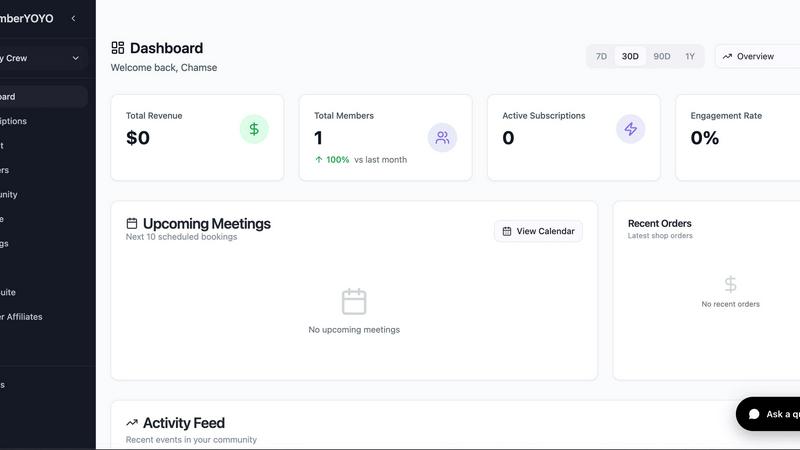
MemberYOYO is a comprehensive membership platform designed specifically for creators, coaches, and community builders who want to efficiently manage their membership businesses. This all-in-one solution eliminates the need for multiple tools, allowing users to focus on what they do best—creating and engaging with their audience. With MemberYOYO, users can easily create and sell online courses, track member progress, and build thriving communities through integrated channels and direct messaging. Additionally, the platform offers seamless one-on-one booking capabilities with popular services like Zoom and Google Meet. MemberYOYO also simplifies communication through email broadcasts and automated sequences, facilitating recurring payments via Stripe without imposing any platform fees. By enabling users to launch their branded member portals within minutes and utilize custom domains, MemberYOYO not only enhances the member experience but also saves users significant costs each month by consolidating various functionalities into one efficient platform.
About Miget
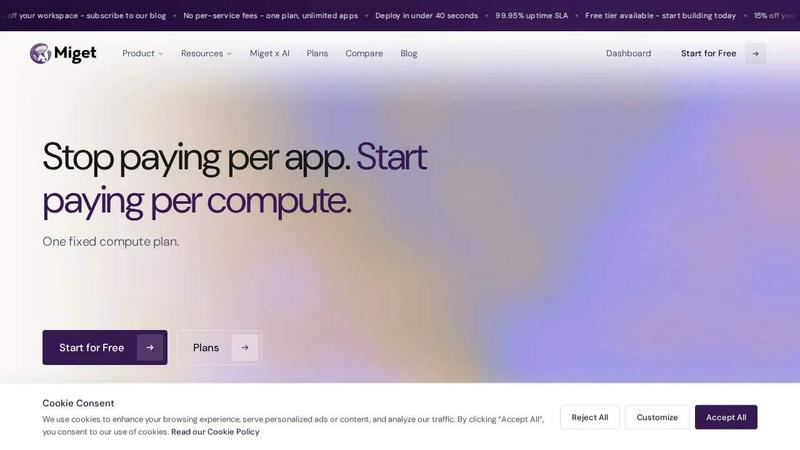
Miget – Stop paying per app. Start paying per compute.
Traditional PaaS platforms charge you for every app, database, and worker separately. Miget flips that model: pick a fixed compute plan, then deploy as many services as you want inside it.
- Unlimited apps, databases, and background workers per plan
- No per-service billing surprises
- Built on Kubernetes with full isolation between tenants
- Deploy from Git, GitHub, Registry with zero-config builds
- Managed PostgreSQL, Redis, and more
- Custom domains with automatic TLS
Whether you're running a single side project or a full production stack, you only pay for the compute you reserve—not the number of things you run on it.