
Image3D AI vs Postproxy
Side-by-side comparison to help you choose the right product.

Image3D AI
Transform any 2D image into a high-quality 3D model in minutes, no skills required.
Last updated: March 1, 2026

Postproxy
Postproxy simplifies social media publishing by unifying multiple platforms into one seamless API integration.
Last updated: February 26, 2026
Visual Comparison
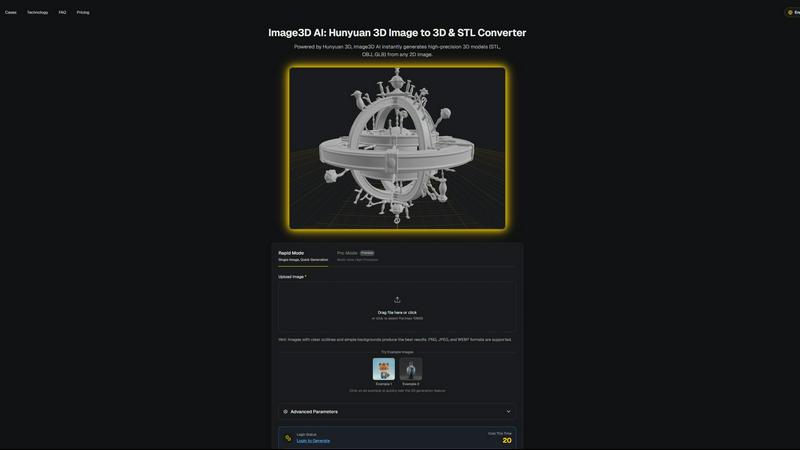
Image3D AI
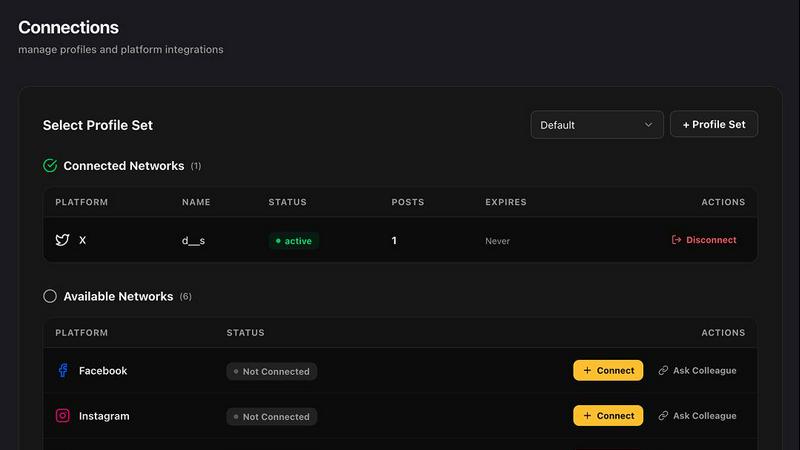
Postproxy
Feature Comparison
Image3D AI
Hunyuan 3D-Powered AI Engine
At the core of Image3D AI is Tencent's Hunyuan 3D engine, a state-of-the-art technology that performs intelligent, physically accurate 3D reconstructions from 2D data. This advanced AI inference allows for single-image generation, understanding depth, geometry, and texture from a single photograph. It ensures the output models are high-fidelity and production-ready, setting it apart from simpler conversion tools that produce low-quality meshes.
Dual Generation Modes for Flexibility
The platform offers two distinct modes to match different project needs and quality requirements. Rapid Mode is perfect for quick iterations, generating a 3D model from a single image in seconds. Pro Mode utilizes multi-view images (front, side, back) to enable a more precise and detailed reconstruction, which is ideal for complex objects like products or shoes where accuracy is paramount.
Multi-Format Export for Any Workflow
Image3D AI exports models in the industry-standard formats you need. Choose from STL for immediate 3D printing, OBJ for editing in traditional 3D software like Blender or Maya, and GLB for modern web, AR, and real-time applications. This versatility ensures the generated assets seamlessly integrate into your existing professional or personal workflow without requiring additional conversion steps.
Optimized Input Guidance and Best Practices
To guarantee the best results, the tool provides clear, practical guidance. It recommends using images with clear outlines and simple backgrounds, offers free example images for testing, and includes a comprehensive Best Practices Guide. This support system helps users understand how to prepare their source material to boost conversion quality by up to 90%, making the technology accessible and effective for everyone.
Postproxy
Unified API for Multiple Platforms
Postproxy allows users to publish content to various social networks through a single API call. This means that the complexities of working with individual platform APIs are replaced with a streamlined process, making it easier to manage social media presence across multiple channels.
Automatic Content Adaptation
The API automatically transforms content to meet the specific requirements of each social media platform. This feature ensures that posts are correctly formatted, media limits are respected, and platform-specific rules are applied, removing the need for manual adjustments.
Comprehensive Error Handling
Postproxy provides built-in mechanisms for handling operational failures such as rate limits and quota issues. It automatically retries failed posts and provides clear reporting on the publish state, ensuring that users are informed about what succeeded and what did not, without the need for manual checks.
Seamless Integration and Setup
Setting up Postproxy is straightforward. Users can create an account to obtain an API key, connect their social media accounts, and start publishing content with minimal effort. This ease of integration allows for a quick transition from manual to automated publishing processes.
Use Cases
Image3D AI
3D Printing and Prototyping
Transform a simple sketch or photo of an object into a ready-to-print STL file. Hobbyists, engineers, and product designers can rapidly prototype ideas, create custom parts, or produce artistic models for resin or FDM 3D printers without needing to learn complex CAD software, drastically speeding up the iteration from concept to physical object.
Game Development and Asset Creation
Game developers and indie creators can generate game-ready 3D assets directly from character concept art, prop sketches, or environment references. With support for PBR materials and low-poly mode options, these assets can be quickly imported into engines like Unity or Unreal Engine, accelerating the content creation pipeline for games and interactive experiences.
E-commerce and Product Visualization
Online retailers can convert flat product photographs into interactive 3D models and AR previews. This enhances online shopping experiences by allowing customers to view items from every angle, leading to increased engagement, reduced return rates, and a more modern, interactive showcase compared to static 2D images.
Architectural Design and Presentation
Architects and interior designers can quickly generate basic 3D massing models or detailed site elements from sketches or reference photos. This saves immense modeling time from scratch, allowing for faster client presentations, concept visualizations, and efficient integration of site-specific objects into larger digital models.
Postproxy
Automating Social Media Campaigns
Marketing teams can utilize Postproxy to automate their social media campaigns, ensuring that promotional content is published on all relevant platforms simultaneously. This reduces the time and effort spent on manual publishing while maintaining a consistent brand message.
Streamlining Content Management
Content creators can leverage Postproxy to streamline their content management processes. By generating AI content and using Postproxy to publish it across platforms, they can focus more on content creation and less on logistics, enhancing productivity.
Managing Multiple Brand Accounts
Businesses with multiple brand accounts can benefit from Postproxy by using its unified API to manage all their social media posts from one place. This simplifies access control and reduces the complexity of managing various accounts and permissions.
Scaling Social Media Presence
As organizations grow, so do their social media needs. Postproxy enables businesses to scale their social media presence without adding operational complexity. Whether publishing ten posts or ten thousand, the API maintains consistent logic and performance.
Overview
About Image3D AI
Image3D AI is a groundbreaking solution that solves the complex, time-intensive problem of 3D asset creation. It is an AI-powered platform that instantly converts standard 2D images into production-ready 3D models, eliminating the need for manual modeling skills or expensive software. Powered by Tencent's advanced Hunyuan 3D engine, it delivers high-precision results in about 60 seconds. The tool is designed for a wide range of users, from hobbyists and 3D printing enthusiasts to professional game developers, e-commerce managers, and architects. Its core value proposition is democratizing 3D content creation; anyone with a photograph or sketch can now generate usable 3D files (STL, OBJ, GLB) for physical printing, game development, architectural visualization, or online AR showcases. By streamlining this traditionally technical process into a simple upload-and-generate workflow, Image3D AI dramatically enhances creativity, accelerates project timelines, and boosts productivity across multiple industries.
About Postproxy
Postproxy is a powerful API solution designed to streamline social media publishing across multiple platforms, including Instagram, Facebook, YouTube, LinkedIn, and X. It provides developers and automation enthusiasts with a unified endpoint that simplifies the complexities of social media integrations. By effectively handling OAuth, rate limits, retries, content adaptation, and analytics, Postproxy eliminates the chaos associated with managing various platform-specific integrations. This makes it an ideal tool for developers using automation tools like n8n, Zapier, or CI/CD systems, turning social media publishing into a predictable and efficient infrastructure. With Postproxy, users can generate AI-driven content, set routing rules, and publish at scale, all while reducing manual intervention. The service offers a free plan for users to get started without any upfront costs, allowing them to scale as their needs grow.
Frequently Asked Questions
Image3D AI FAQ
What image formats and quality work best?
For optimal image to 3D conversion, use high-contrast PNG, JPEG, or WEBP images (max 10MB) with clear outlines and a simple, uncluttered background. Avoid blurry, low-light, or occluded subjects. High-quality source images with a well-defined silhouette yield the most accurate and clean 3D geometry, especially for STL printing.
What is the difference between Rapid Mode and Pro Mode?
Rapid Mode uses a single image for fast generation, ideal for logos, sketches, or simple objects. Pro Mode requires multiple images (multi-view) of an object from different angles (e.g., front, side, top) to perform a more physically accurate and detailed 3D reconstruction. Pro Mode is recommended for complex real-world objects where precision is critical.
Which output file format should I choose?
The choice depends on your intended use. Select .STL for 3D printing, as it is the universal standard for slicer software. Choose .OBJ if you plan to edit the model further in 3D editing software. Opt for .GLB if you need a modern, compact file for web display, AR applications, or game engines, as it contains the model, textures, and materials in one file.
Do I need any 3D modeling experience to use this tool?
No, absolutely no 3D skills are required. Image3D AI is designed specifically to make 3D model generation accessible to everyone. The process is as simple as uploading an image, selecting your mode, and downloading the generated 3D file. The platform's guidance and best practices help users of all skill levels achieve great results.
Postproxy FAQ
How does Postproxy handle platform-specific failures?
Postproxy is designed to handle platform-specific failures by implementing automatic retries, managing rate limits, and keeping track of quotas. This ensures that users experience fewer disruptions and can trust the reliability of their publishing process.
Is there a free plan available for Postproxy?
Yes, Postproxy offers a free plan that allows users to get started without requiring a credit card. This plan is ideal for individuals or small businesses looking to test the service before committing to a paid tier.
What social media platforms are supported by Postproxy?
Postproxy currently supports publishing to major social media platforms, including Instagram, Facebook, YouTube, LinkedIn, and X. This wide range allows users to maintain a strong presence across multiple channels.
Can I integrate Postproxy with automation tools?
Absolutely! Postproxy is built for developers and automators, making it compatible with popular automation tools such as n8n and Zapier. This compatibility allows users to create sophisticated workflows and automate their publishing processes seamlessly.
Alternatives
Image3D AI Alternatives
Image3D AI is a powerful tool in the category of AI-powered 3D modeling software. It specializes in converting 2D photographs into detailed, textured 3D models, streamlining asset creation for 3D printing, game development, and design projects. Users often explore alternatives for various practical reasons. These can include budget constraints, the need for different export formats or integration capabilities, a preference for a different user interface, or a requirement for more advanced manual editing tools that go beyond AI generation. When evaluating other options, it's wise to consider the core factors that impact your workflow. Key aspects to compare are the quality and accuracy of the 3D output, supported file formats, the level of post-generation control offered, pricing models and subscription terms, and the specific use cases the software is optimized for, such as prototyping versus final production assets.
Postproxy Alternatives
Postproxy is a powerful tool designed to streamline social media publishing across various platforms such as Instagram, Facebook, YouTube, LinkedIn, and X through a single API. This service is categorized under design tools and is particularly beneficial for developers and automators looking to simplify their social media management processes. Users often seek alternatives to Postproxy for various reasons, including pricing structures, specific feature sets, or compatibility with certain platforms that better align with their business needs. When choosing an alternative to Postproxy, it's essential to consider factors such as the range of supported platforms, ease of integration with existing tools, pricing plans, and the availability of features that match your requirements. Additionally, assess whether the alternative can provide the same level of automation and analytics capabilities that Postproxy offers, ensuring a seamless transition for your publishing needs.