MemMachine vs Storydoc
Side-by-side comparison to help you choose the right product.

MemMachine
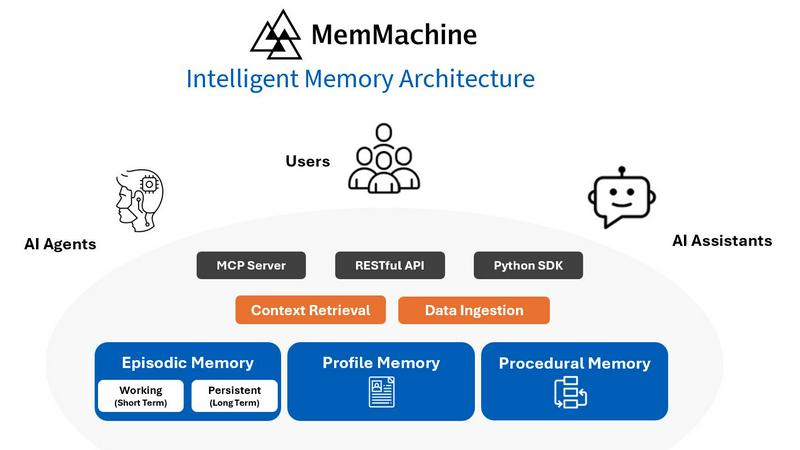
MemMachine gives AI agents persistent memory to learn from and personalize every user interaction.
Last updated: February 28, 2026

Storydoc automates the creation of interactive business presentations and documents, empowering professionals to drive results efficiently.
Last updated: March 26, 2026
Visual Comparison
MemMachine
Storydoc
Feature Comparison
MemMachine
Persistent Cross-Session Memory
MemMachine's core functionality is a memory layer that persists indefinitely, not just for a single chat session. It allows your AI agent to recall details from a user's previous interactions, whether they occurred minutes, days, or weeks ago. This creates continuity and context, eliminating the frustrating need for users to re-explain their situation or preferences every time they engage with your application.
Evolving User Profile
The system dynamically builds and refines a detailed profile for each user. It goes beyond storing simple facts, capturing patterns, preferences, behavioral nuances, and temporal relationships. This profile becomes richer with every interaction, allowing the AI to anticipate needs and personalize responses proactively, much like a human assistant who learns your habits over time.
Multi-Model & Multi-Agent Compatibility
MemMachine is designed as a flexible, standalone layer. It is not locked into a specific Large Language Model (LLM) or agent framework. Developers can integrate it with various AI models and deploy it across different agent instances within an ecosystem, ensuring that memory and user context are shared and consistent wherever the user interacts.
Advanced Memory Infrastructure
Under the hood, MemMachine employs a sophisticated architecture combining vector databases for semantic search and graph-based systems to understand entities and their relationships over time. This allows for intelligent recall, where the agent doesn't just fetch stored data but understands the context and connections between pieces of information for more relevant and insightful responses.
Storydoc
AI Creation
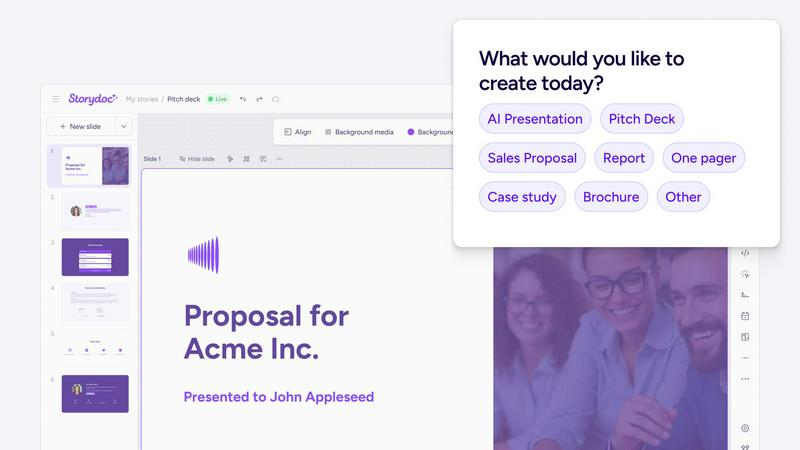
Storydoc simplifies document creation with its AI-powered tools, enabling users to generate beautifully structured presentations in mere seconds. This feature eliminates the need for design or writing expertise, making it accessible for everyone.
Interactive & Dynamic Elements
Users can enhance their documents by embedding interactive components such as videos, buttons, and forms. This feature transforms standard presentations into engaging experiences that capture the audience's attention and encourage interaction.
Personalization & Automation
With Storydoc, users can create and distribute personalized documents at scale using smart workflows. By integrating dynamic fields and live CRM data, teams can ensure that their content is relevant and tailored to their audience's needs.
Deep Analytics
Storydoc provides comprehensive analytics that track user engagement metrics such as opens, clicks, and scroll depth. This feature helps teams understand which parts of their content resonate most with their audience, allowing for data-driven improvements.
Use Cases
MemMachine
Personalized Healthcare Assistants
Transform patient support by creating AI agents that remember medical history, appointment preferences, medication concerns, and symptom patterns. This enables compassionate, efficient interactions where the agent can schedule follow-ups at preferred times, recall specific test preparation needs, and provide tailored health reminders, dramatically improving patient experience and adherence.
Context-Aware Customer Service Bots
Upgrade customer support from frustrating, repetitive loops to seamless, informed service. A MemMachine-powered bot remembers a customer's past issues, product preferences, and interaction history. It can handle complex, multi-session inquiries without asking the customer to repeat information, leading to faster resolution, higher satisfaction, and increased loyalty.
Intelligent Educational Tutors
Develop adaptive learning platforms where the AI tutor remembers a student's strengths, weaknesses, learning pace, and topics they've struggled with in the past. It can personalize lesson plans, provide targeted practice, and reference previous explanations, creating a truly individualized learning journey that improves educational outcomes.
Proactive Team Collaboration Agents
Build internal AI assistants, like "Teamate," that understand team workflows, project histories, and individual responsibilities. These agents can proactively surface relevant information, automate follow-up tasks based on past meeting contexts, and offer insights by connecting information across time and different team members, boosting overall productivity.
Storydoc
Sales Presentations
Sales teams can utilize Storydoc to create compelling, interactive presentations that highlight their offerings. By embedding multimedia and interactive elements, they can engage potential clients more effectively and boost conversion rates.
Marketing Campaigns
Marketing professionals can leverage Storydoc to design personalized proposals and reports that resonate with target audiences. The ability to embed forms and collect feedback in real time enhances campaign effectiveness and audience interaction.
Training & Onboarding
Organizations can use Storydoc to develop engaging training materials that facilitate onboarding for new employees. Interactive elements can enhance the learning experience, making it more memorable and effective.
Investor Relations
Companies seeking funding can create dynamic pitch decks that showcase their business model and growth potential. By using Storydoc to present data interactively, they can capture the interest of potential investors and improve their chances of securing investment.
Overview
About MemMachine
MemMachine is an open-source memory layer engineered to solve a fundamental limitation in modern AI: the inability to remember. Traditional AI agents and chatbots operate in a stateless vacuum, resetting with each interaction and forcing users to repeat themselves. MemMachine transforms these applications into intelligent, personalized assistants by providing a persistent, sophisticated memory layer. It enables AI-powered applications to learn from, store, and recall user data, preferences, and conversation history from past sessions. This persistent memory builds an evolving user profile that enriches every future interaction with context and personal relevance. Designed for developers and engineering teams building advanced AI solutions, MemMachine is infrastructure-agnostic, working across multiple sessions, different agents, and various large language models. Its core value proposition is moving beyond simple question-and-answer scripts to empower the creation of agents that truly understand user behavior, leading to more meaningful, efficient, and deeply personalized engagements in critical fields like healthcare, customer service, and education.
About Storydoc
Storydoc is a revolutionary AI platform that transforms the way business professionals create, manage, and distribute presentations and documents. Designed for sales and marketing teams, it automates the creation of engaging materials such as proposals, pitch decks, reports, and more. Unlike traditional static documents, Storydoc leverages interactive storytelling techniques to enhance the decision-making process, allowing users to embed videos, forms, and calendars directly into their content. This capability turns passive reading into active engagement, fostering immediate actions from stakeholders. By centralizing the collateral creation process, Storydoc enables teams to personalize content at scale while tracking engagement metrics in real time. With robust security features, including ISO 27001 compliance and GDPR adherence, Storydoc ensures that sensitive data is protected, making it a trusted choice for organizations of all sizes.
Frequently Asked Questions
MemMachine FAQ
What exactly is MemMachine?
MemMachine is an open-source software layer that acts as long-term memory for AI applications. It's not an AI model itself, but a system that sits alongside your AI agents (like chatbots) to store and intelligently recall information from all past user interactions, enabling those agents to become context-aware and personalized.
How does MemMachine handle user privacy and data security?
As an open-source solution, MemMachine provides transparency and control. Developers host and manage their own MemMachine instance and its associated databases. This means sensitive user data, preferences, and memory profiles remain within your own secure infrastructure, allowing you to implement the exact compliance and security protocols required for your industry and use case.
Is MemMachine difficult to integrate into an existing application?
MemMachine is designed for developer flexibility. It offers APIs and SDKs to connect with your existing AI agent stack. You can use the full suite of features or integrate specific components independently. The provided documentation and community resources are aimed at making the integration process as straightforward as possible for engineering teams.
Can MemMachine work with any AI model or chatbot platform?
Yes, that is a key design principle. MemMachine is agnostic to the underlying Large Language Model (e.g., GPT, Claude, Llama) and the agent framework you use. It functions as a centralized memory service that any compliant agent within your ecosystem can read from and write to, ensuring consistent user memory across different parts of your application.
Storydoc FAQ
What types of documents can I create with Storydoc?
With Storydoc, you can create a variety of documents including presentations, proposals, reports, pitch decks, and one-pagers. The platform is designed to accommodate a wide range of business needs.
How does Storydoc ensure data security?
Storydoc is committed to protecting user data through various security measures, including ISO 27001 compliance and adherence to GDPR regulations. Additionally, the platform offers secure Single Sign-On (SSO) authentication for added safety.
Can I integrate Storydoc with other tools?
Yes, Storydoc provides integrations through platforms like Zapier and Make, allowing users to connect with various tools and pull live data for personalization. This feature enhances the platform's versatility and functionality.
Is there a free trial available for Storydoc?
Yes, Storydoc offers a 14-day free trial that allows users to explore its features without requiring a credit card. This trial period enables potential customers to assess the platform's capabilities before making a commitment.
Alternatives
MemMachine Alternatives
MemMachine is an open-source memory layer for AI agents, enabling them to learn from and remember user interactions to provide personalized experiences. This places it in the category of AI agent memory and context management tools, which are essential for building intelligent applications that evolve with their users. Users often explore alternatives for several practical reasons. These can include budget constraints, specific feature requirements not covered by the core offering, or the need for integration with a particular tech stack or deployment environment that isn't fully supported. The search for the right tool is driven by the unique demands of each project. When evaluating alternatives, focus on key criteria that match your project's needs. Essential factors include the solution's ability to maintain persistent, secure memory across sessions, its compatibility with your existing AI models and frameworks, and the flexibility of its deployment options. Prioritizing these core capabilities will guide you to the most suitable tool for creating context-aware AI applications.
Storydoc Alternatives
Storydoc is an innovative AI platform designed to automate the creation of business presentations and documents. It falls under the category of marketing tools that emphasize interactive storytelling, enabling sales and marketing teams to engage decision-makers more effectively. Users often seek alternatives to Storydoc due to various reasons such as pricing concerns, specific feature requirements, or the need for a platform that better aligns with their workflows. When exploring alternatives, it's essential to consider factors like customization capabilities, ease of integration with existing tools, user experience, and the level of data security provided. Finding the right alternative can significantly impact the efficiency of your content creation process and overall team productivity. Look for platforms that offer similar capabilities in terms of automation and interactivity while also addressing any unique needs your organization may have. Prioritizing reliable support and robust analytics features can also enhance your decision-making process when comparing options.