Orphiq vs Product Launchpad
Side-by-side comparison to help you choose the right product.

Orphiq
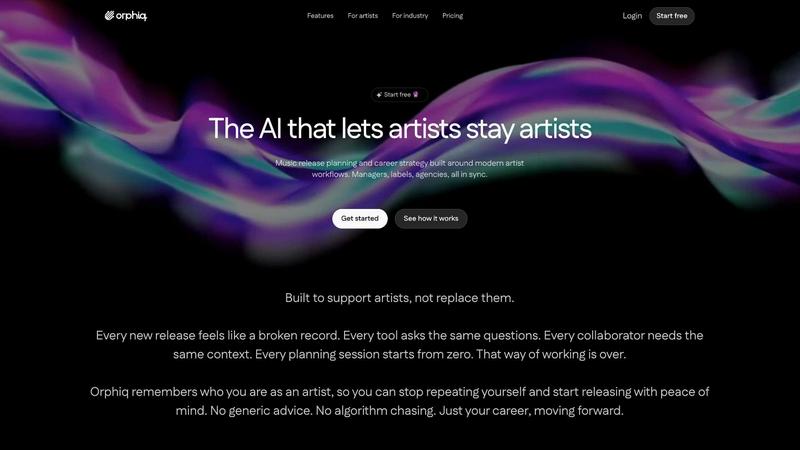
Orphiq empowers music artists with AI-driven release planning, content creation, and personalized career strategies.
Last updated: February 26, 2026

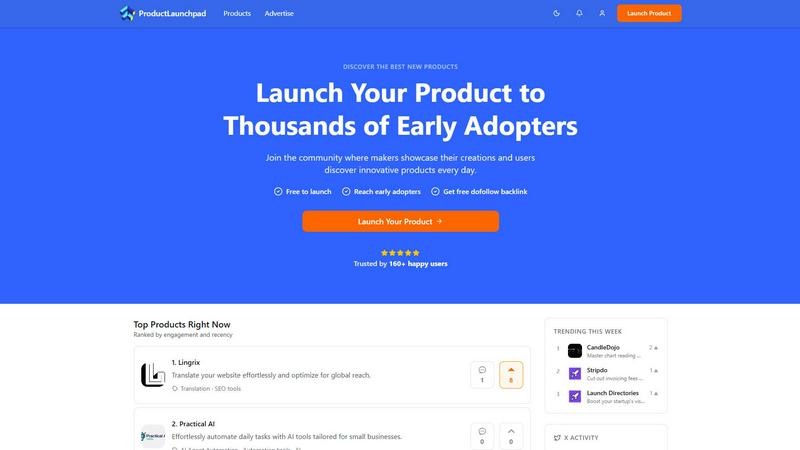
Launch your product to early adopters and keep getting visibility, traffic, and users over time.
Visual Comparison
Orphiq
Product Launchpad
Overview
About Orphiq
Orphiq is an innovative AI workspace tailored specifically for music artists and their teams, including managers, labels, and agencies. This platform integrates essential elements of the music industry—release planning, content creation, and career guidance—into a cohesive system that understands and adapts to artists' unique identities. By creating a persistent creative profile, Orphiq eliminates the repetitive cycle of rebuilding plans for each new release. This feature allows team members and the AI assistant, Apollo, to reference past interactions, ensuring that artists can focus on their music rather than administrative tasks. Whether you are an independent musician launching your first single or a major label act managing a global rollout, Orphiq provides the tools you need to streamline your workflow and enhance your artistic output. Its key capabilities include rapid professional rollouts, tailored content suggestions, and strategic career guidance, helping artists move forward without getting lost in the details.
About Product Launchpad
ProductLaunchpad is a launch platform for founders, indie hackers, and marketing teams who want consistent growth, not a short spike. Most platforms give you attention for a day. After that, your product disappears. ProductLaunchpad is built differently.
Your product stays discoverable and continues to reach early adopters over time. You can launch in minutes with AI-assisted submission, get a free dofollow backlink, and improve your visibility in search engines and LLMs.
The focus is on long-term exposure and matching products with the right users. This helps you generate ongoing traffic, feedback, and signups instead of chasing one-time launch metrics.