

Alternatives to Self-Healing Integrations
Plumbed.io offers self-healing integrations that automate monitoring and maintenance, ensuring seamless operations and faster deployment.
Explore 20 alternatives to Self-Healing Integrations. Compare features, pricing, and find the best fit for your needs.

GetYouTubeTranscript
Free YouTube transcripts on the web, a Chrome extension, and an API + MCP server so AI assistants can read YouTube.

soulcinema
Soul Cinema turns a written shot into film-grade stills with cinematographer lighting, Soul ID character consistency across a sequence, reusable looks

Built2Win AI Indexing
Built2WinWeb builds high-performance custom PHP websites, ecommerce stores, and AI discovery infrastructure that make your site readable by AI.

Image to Layers AI
Turn any image into editable layers with AI—separate subject, background, and objects as transparent PNG layers.


Speechyou
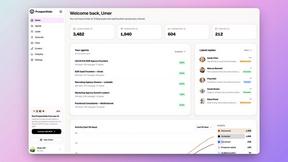
AI transcription for voice notes, meetings, and audio files in 1,700 languages, with AI summaries and subtitle export and unlimited chat ai usage.
ProspectHalo
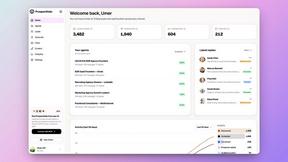
AI sales agent that finds qualified leads, runs outreach, follows up automatically, creates content, and helps book more meetings.

benchmark.directory
AI tools written up by the people who paid for them. Pricing, integrations, data policy and the limit we hit in a week of use.
saasgrow.ai
Get your SaaS tool discovered. Free listing, honest screening, a dofollow link — and no way for anyone to outbid you.


Tools Network
Tools Network is a curated directory of the best AI tools across 25+ categories. Compare ratings, pricing, and features to find the right one fast.

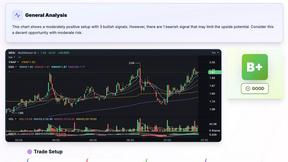
SnapPChart
SnapPChart grades a trading chart screenshot A+ to F, with an entry, stop, targets, and risk/reward. Works on stocks, forex, crypto, futures.


Skydive
Skydive lets teams create AI agents that can complete real work inside the tools they already use.

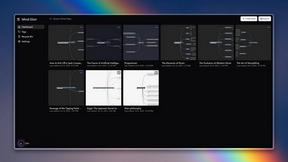
Mind Elixir
A 20MB AI-powered mind mapping app with 100% local data privacy. Your ideas stay local, and so does your privacy.

About Self-Healing Integrations Alternatives
Self-Healing Integrations is an innovative solution designed to seamlessly connect different systems within an organization through an agentic platform. This product falls under the category of AI Assistants, leveraging advanced technology to not only create integrations but also ensure their ongoing functionality without manual intervention. Users benefit from a system that automatically manages the lifecycle of integrations, allowing businesses to focus on their core operations rather than dealing with the complexities of integration maintenance. Despite the advantages offered by Self-Healing Integrations, users often seek alternatives for various reasons. These may include considerations related to pricing structures, specific feature sets, or unique platform requirements that better align with their organizational needs. When exploring alternatives, it’s crucial to look for solutions that provide robust support for ongoing changes, scalability, and a user-friendly interface, all while ensuring a cost-effective approach to integration management.
FAQs about Self-Healing Integrations Alternatives
What is Self-Healing Integrations?
Self-Healing Integrations is a cutting-edge solution that simplifies the process of integrating various systems within an organization. It utilizes an agentic platform to not only create these integrations but also to maintain their functionality automatically over time. This product is particularly beneficial for businesses that require ongoing adjustments and monitoring after the integrations go live.
Who is Self-Healing Integrations for?
Self-Healing Integrations is designed for businesses of all sizes that need to connect multiple systems efficiently and effectively. It is especially valuable for organizations that frequently introduce new channels, systems, or partners and wish to eliminate the traditional integration tax that often slows down their operational capabilities.
Is Self-Healing Integrations free?
Self-Healing Integrations is not a free service; however, it offers a compelling value proposition by reducing the ongoing costs associated with traditional custom integration projects. By automating the management of integration lifecycles, it helps organizations save money in the long run while improving efficiency.
What are the main features of Self-Healing Integrations?
The main features of Self-Healing Integrations include automated lifecycle management of integrations, real-time monitoring, and seamless adjustments to changes in system requirements. This solution is designed to alleviate the burden of manual maintenance, allowing businesses to focus on innovation and growth.